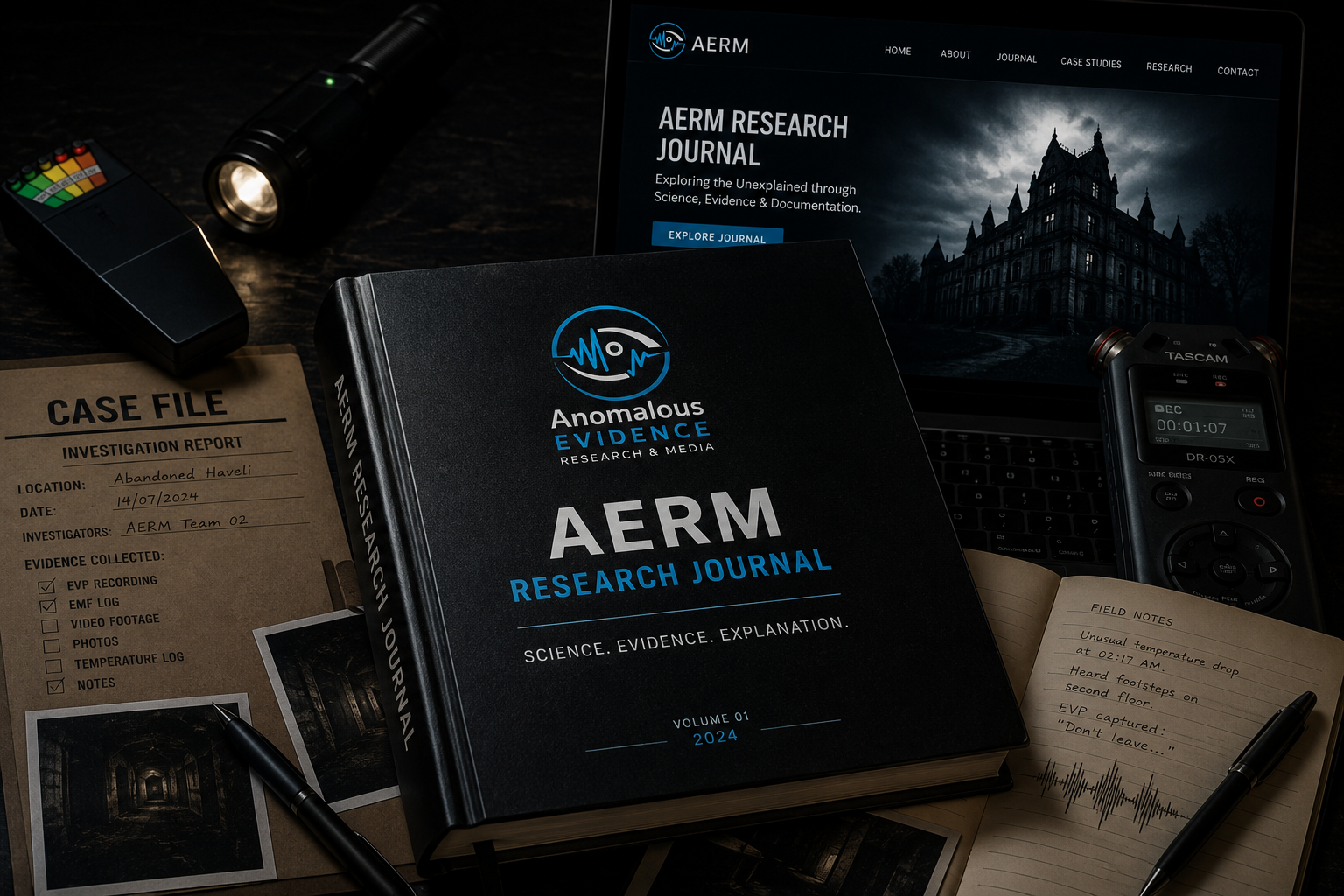
Group Psychology in Investigations: Social Influence, Expectation and Shared Reports
When a group enters an unfamiliar building, one person's reaction can shape what everyone else notices. A whispered “Did you hear that?” may redirect attention. A confident interpretation can become the group's shared explanation. Social influence is a normal feature of human interaction and a methodological challenge for field research.
Conformity and informational influence. People may align with a group because they want acceptance, or because they believe others possess better information. In ambiguous conditions, both processes can operate. A person who hears a noise after being told to expect footsteps may be more likely to classify it that way.
Shared attention is not independent confirmation. If five people hear the same sound simultaneously, that is useful evidence that a sound occurred. If four people only report a figure after one person points it out, their accounts are not fully independent. The sequence of observation matters.
Reducing contamination. Ask participants to record observations privately before group discussion. Use neutral prompts. Avoid dramatic briefings about a site's reputation. Keep investigators who know the claim separate from those collecting blind observations where practical. Document who spoke first and what information was shared.
Field protocol. At the start, explain that ordinary and uncertain observations are equally valuable. During a session, use silent note-taking periods. After an event, collect individual descriptions before debriefing. Compare accounts for common details and differences. Do not treat disagreement as failure; differences may reveal where perception or location varied.
Ethical balance. Do not manipulate participants into fear or isolate them in unsafe conditions. Participants should know the broad nature of the study and be free to stop. Blinding should reduce bias without concealing risks or violating consent.
Conclusion. Group agreement can be meaningful, but only when investigators understand how observations were formed. Independent recording, neutral prompts and transparent timelines help separate shared sensory events from socially transmitted interpretations.
References and Further Reading
- Asch, S. E. “Studies of independence and conformity.” Psychological Monographs.
- Cialdini, R. B. Influence: The Psychology of Persuasion. Harper Business.
- National Academies. Enhancing the Effectiveness of Team Science.
AERM Research and Reporting Checklist
Before publication, confirm that the report:
- States the question and the observation separately from any interpretation.
- Identifies the location and conditions at a level that respects privacy and safety.
- Records equipment, settings, placement and known limitations.
- Preserves original files and documents any processing.
- Describes controls, alternative explanations and unsuccessful tests.
- Reports uncertainty and avoids claims stronger than the evidence.
- Has permission for all identifiable recordings, quotations and images.
AERM Core Principle: No anomaly is considered paranormal until environmental, psychological, technical, and scientific explanations have been systematically evaluated.
About AERM
Anomalous Evidence Research & Media (AERM) is a research and media initiative focused on structured investigation, evidence preservation and public science communication. Through its research publication work and the Paranormal Frame platform, AERM aims to make complex scientific ideas accessible while maintaining a clear distinction between observation, interpretation and established evidence.
Educational Disclaimer
This article is intended for education and research awareness. It is not a substitute for professional medical, engineering, electrical, legal, forensic or safety advice. Obtain appropriate permissions, follow applicable laws and standards, protect participant privacy, and consult qualified professionals whenever a task involves specialist risk.