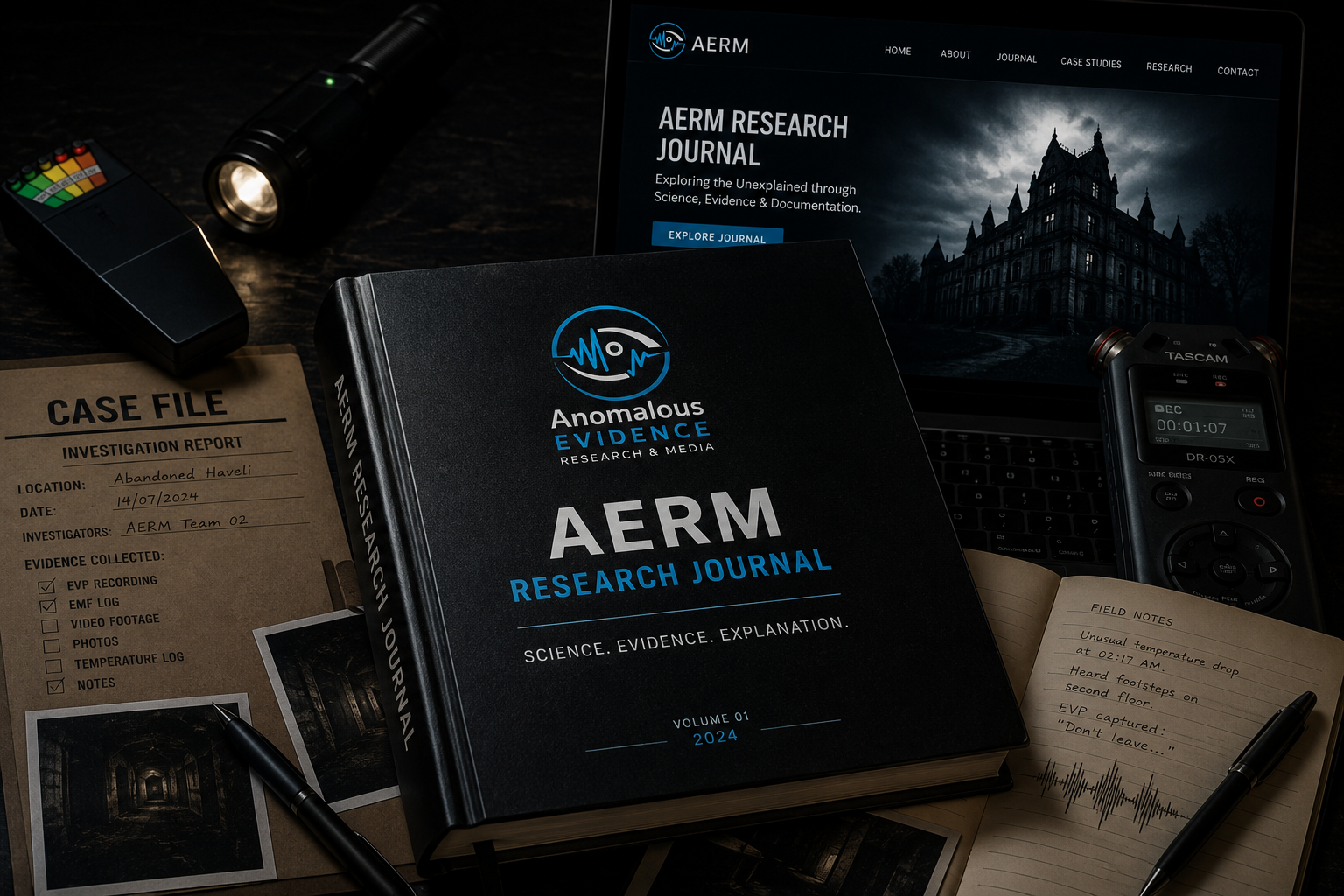
Abandoned Buildings: A Practical Risk Assessment Before Entering a Site
An abandoned building can contain hazards that are invisible in photographs. Unstable floors, weakened roofs, exposed wiring, broken glass, open shafts, contaminated water and hazardous materials can cause serious injury. A site should never be considered safe merely because other people have entered it.
Permission comes first. Confirm the legal owner or authorised manager and obtain written access permission. Respect closures, heritage protections and restricted zones. Do not force entry, climb barriers or enter tunnels and basements without explicit authorisation and a competent safety assessment.
Structural hazards. Look for sagging floors, roof deformation, large cracks, water damage, detached masonry and signs of fire. These observations do not constitute a structural inspection. If instability is suspected, do not enter; consult a qualified building professional.
Environmental hazards. Older buildings may contain asbestos-containing materials, lead paint, mould, animal waste, stagnant water or chemical residues. Do not disturb suspect materials. Do not rely on a basic dust mask as protection against unknown contaminants.
Electrical and fire hazards. Treat exposed cables, damaged switchgear and unknown power sources as live. Do not operate switches or generators. Avoid candles, smoke devices and open flames. Use suitable lighting and carry a charged communication device.
AERM pre-entry checklist. Confirm permission; identify exits; establish a check-in person; inspect weather; assess daylight and visibility; define no-go zones; carry first aid and communication equipment; assign a safety lead; and record participant names. Use a buddy system and never split the team in an unsafe building.
During the visit. Stay on approved routes, do not climb, do not move structural debris, and stop if conditions change. Maintain headcounts. If anyone is injured or the building appears unstable, leave and contact appropriate emergency services.
After the visit. Confirm everyone has exited, report hazards to the owner or authority, clean equipment appropriately and document near misses. A near miss is valuable safety data, not something to hide.
Conclusion. No recording or investigation is worth a preventable injury. Permission, competent risk assessment and conservative stop-work decisions are essential parts of professional field research.
References and Further Reading
- UK Health and Safety Executive, guidance on construction and structural safety.
- OSHA, guidance on confined spaces and construction hazards.
- WHO, resources on asbestos and environmental health.
- National Disaster Management Authority (India), disaster preparedness guidance.
AERM Research and Reporting Checklist
Before publication, confirm that the report:
- States the question and the observation separately from any interpretation.
- Identifies the location and conditions at a level that respects privacy and safety.
- Records equipment, settings, placement and known limitations.
- Preserves original files and documents any processing.
- Describes controls, alternative explanations and unsuccessful tests.
- Reports uncertainty and avoids claims stronger than the evidence.
- Has permission for all identifiable recordings, quotations and images.
AERM Core Principle: No anomaly is considered paranormal until environmental, psychological, technical, and scientific explanations have been systematically evaluated.
About AERM
Anomalous Evidence Research & Media (AERM) is a research and media initiative focused on structured investigation, evidence preservation and public science communication. Through its research publication work and the Paranormal Frame platform, AERM aims to make complex scientific ideas accessible while maintaining a clear distinction between observation, interpretation and established evidence.
Educational Disclaimer
This article is intended for education and research awareness. It is not a substitute for professional medical, engineering, electrical, legal, forensic or safety advice. Obtain appropriate permissions, follow applicable laws and standards, protect participant privacy, and consult qualified professionals whenever a task involves specialist risk.