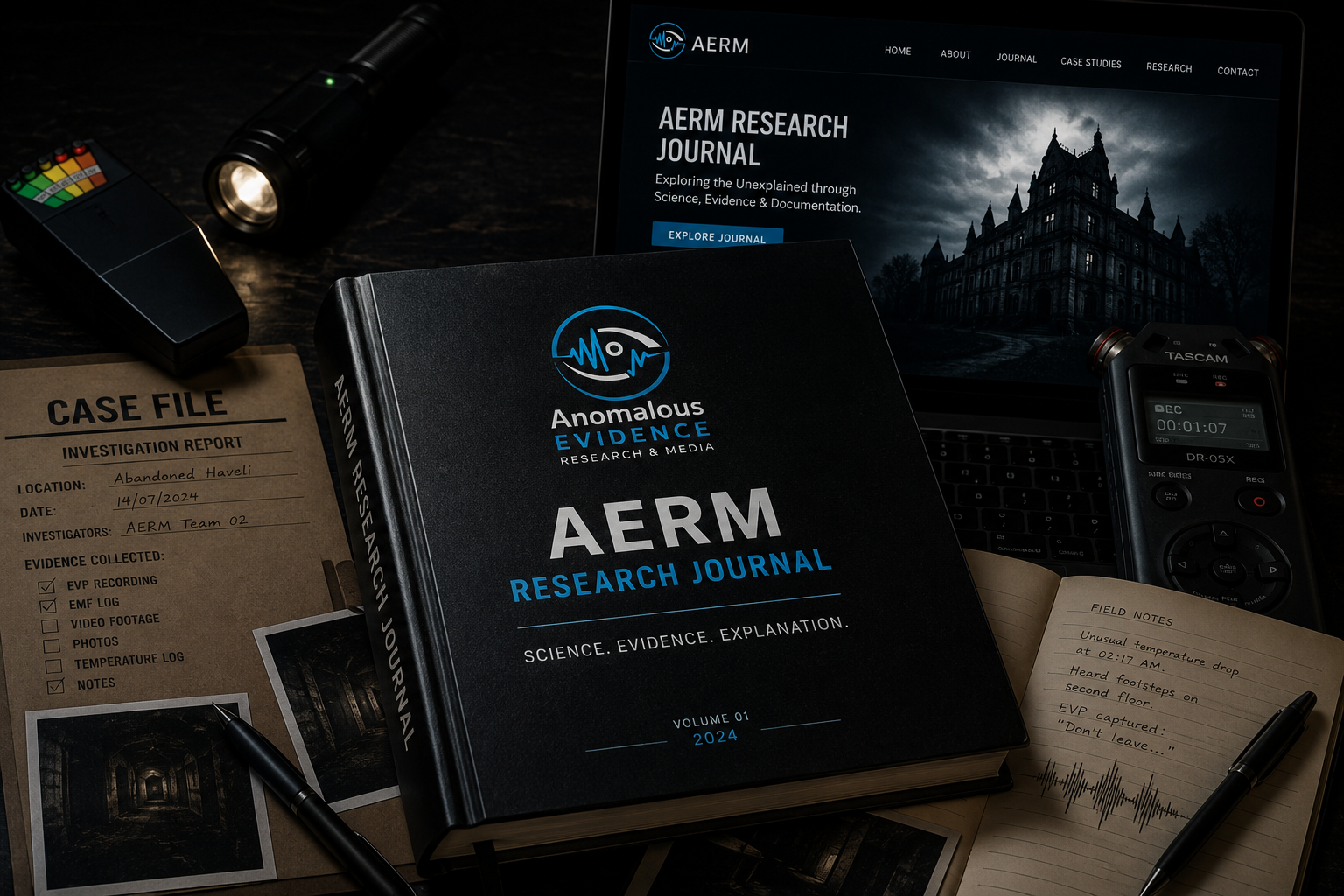
Digital Chain of Custody for Field Media: A Practical Evidence-Handling Workflow
Digital evidence can be altered accidentally during transfer, conversion, editing or cloud upload. A chain of custody records who handled an item, when it was transferred and what actions were performed. It supports transparency and helps reviewers understand whether the material presented is the same material originally collected.
Collection. Assign a unique evidence ID. Record collector, date, time, location, device, file name and collection method. Keep original storage media where lawful and practical. Do not rename or edit source files before documenting their original names.
Integrity. Calculate a cryptographic hash such as SHA-256 as soon as practical after collection. Record the tool and version. Recalculate after transfer to confirm that the copy matches. Hashes demonstrate file integrity from the point of calculation, not the truth of the content.
Working copies. Store originals as read-only where feasible. Conduct analysis on verified copies. Each processed derivative should have a new file name and its own hash, linked to the source item. Record the software, settings and operator.
Access control. Limit access to authorised team members. Use encrypted storage and secure backups. Avoid sending sensitive media through unapproved messaging services. Record any access, export or deletion event.
Transfer log. Include evidence ID, sender, recipient, date/time, transfer method, file size, hash before and after transfer, and purpose. If a transfer fails or a hash differs, stop and investigate rather than overwriting the original.
Publication. Keep the published excerpt linked to the source recording. Disclose trimming, enhancement, subtitles, overlays or format conversion. Retain the full recording under the agreed retention policy.
Conclusion. Chain of custody is not bureaucratic overhead. It is the record that allows another person to assess how evidence was collected, preserved and transformed.
References and Further Reading
- NIST SP 800-86. Guide to Integrating Forensic Techniques into Incident Response.
- NIST FIPS 180-4. Secure Hash Standard.
- ISO/IEC 27037. Guidelines for identification, collection, acquisition and preservation of digital evidence.
AERM Research and Reporting Checklist
Before publication, confirm that the report:
- States the question and the observation separately from any interpretation.
- Identifies the location and conditions at a level that respects privacy and safety.
- Records equipment, settings, placement and known limitations.
- Preserves original files and documents any processing.
- Describes controls, alternative explanations and unsuccessful tests.
- Reports uncertainty and avoids claims stronger than the evidence.
- Has permission for all identifiable recordings, quotations and images.
AERM Core Principle: No anomaly is considered paranormal until environmental, psychological, technical, and scientific explanations have been systematically evaluated.
About AERM
Anomalous Evidence Research & Media (AERM) is a research and media initiative focused on structured investigation, evidence preservation and public science communication. Through its research publication work and the Paranormal Frame platform, AERM aims to make complex scientific ideas accessible while maintaining a clear distinction between observation, interpretation and established evidence.
Educational Disclaimer
This article is intended for education and research awareness. It is not a substitute for professional medical, engineering, electrical, legal, forensic or safety advice. Obtain appropriate permissions, follow applicable laws and standards, protect participant privacy, and consult qualified professionals whenever a task involves specialist risk.