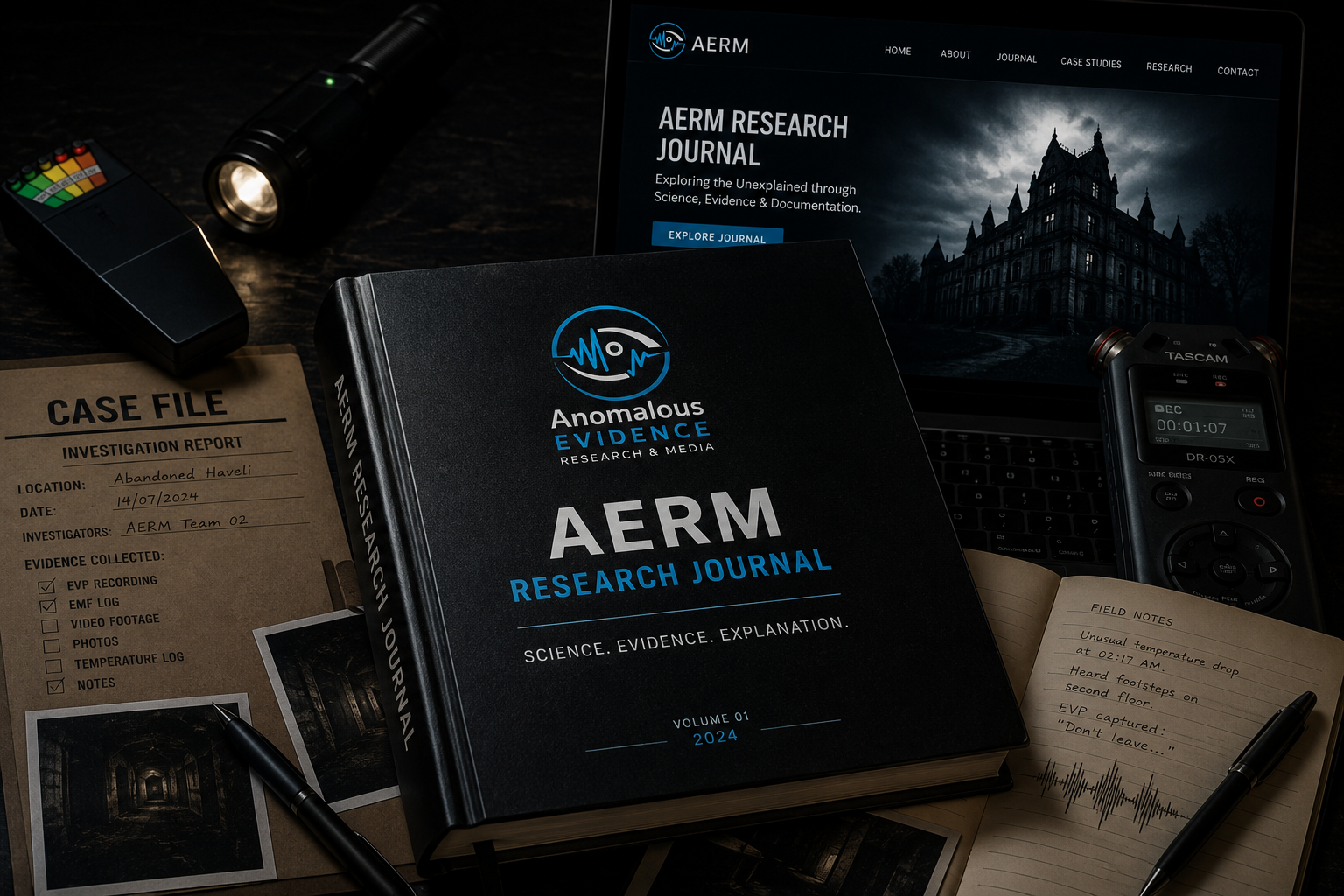
Photographic Provenance: Establishing Where an Image Came From and How It Changed
A photograph may be presented as a record of an unusual figure or light. Before interpreting the pixels, investigators should ask where the image came from, which device created it and what happened to the file afterward. Provenance is the documented history of an item from creation through collection, transfer and analysis.
Original capture. Request the original file from the camera or phone where possible. A screenshot, social-media download or messaging-app copy may have been resized, recompressed or stripped of metadata. Preserve the submitted version even if an original later becomes available.
Metadata. EXIF fields may include camera model, exposure, focal length, orientation, date and software. Metadata can be edited or removed, so it is supporting information rather than proof of authenticity. Device clocks may be wrong, and applications can rewrite timestamps.
File integrity. Calculate a cryptographic hash on receipt and maintain a record of transfers. A matching hash confirms that the file has not changed since hashing; it does not establish that the image was unaltered before collection.
Visual examination. Inspect dimensions, compression, colour channels, noise patterns, edges and lighting consistency. Look for signs that merit further analysis, such as inconsistent shadows or duplicated regions. These indicators can also arise from computational photography, HDR merging, portrait mode, denoising or panorama stitching.
AERM workflow. Record the source and transfer method; preserve the original; hash the file; inspect metadata; document software and version; create working copies; conduct visual and technical examination; and report alternative explanations. Avoid destructive edits.
Limits. No single metadata field or image-forensic tool can conclusively authenticate every photograph. Modern phones combine multiple frames and computational processing automatically. A processed image is not necessarily fraudulent, but its processing history matters.
Conclusion. Photographic provenance is the foundation for meaningful image analysis. Without a reliable history, conclusions about what an image depicts should remain cautious.
References and Further Reading
- CIPA, Exif standards and digital imaging resources.
- NIST, digital evidence and forensic science resources.
- Farid, H. Photo Forensics. MIT Press.
AERM Research and Reporting Checklist
Before publication, confirm that the report:
- States the question and the observation separately from any interpretation.
- Identifies the location and conditions at a level that respects privacy and safety.
- Records equipment, settings, placement and known limitations.
- Preserves original files and documents any processing.
- Describes controls, alternative explanations and unsuccessful tests.
- Reports uncertainty and avoids claims stronger than the evidence.
- Has permission for all identifiable recordings, quotations and images.
AERM Core Principle: No anomaly is considered paranormal until environmental, psychological, technical, and scientific explanations have been systematically evaluated.
About AERM
Anomalous Evidence Research & Media (AERM) is a research and media initiative focused on structured investigation, evidence preservation and public science communication. Through its research publication work and the Paranormal Frame platform, AERM aims to make complex scientific ideas accessible while maintaining a clear distinction between observation, interpretation and established evidence.
Educational Disclaimer
This article is intended for education and research awareness. It is not a substitute for professional medical, engineering, electrical, legal, forensic or safety advice. Obtain appropriate permissions, follow applicable laws and standards, protect participant privacy, and consult qualified professionals whenever a task involves specialist risk.